Meet your therapist
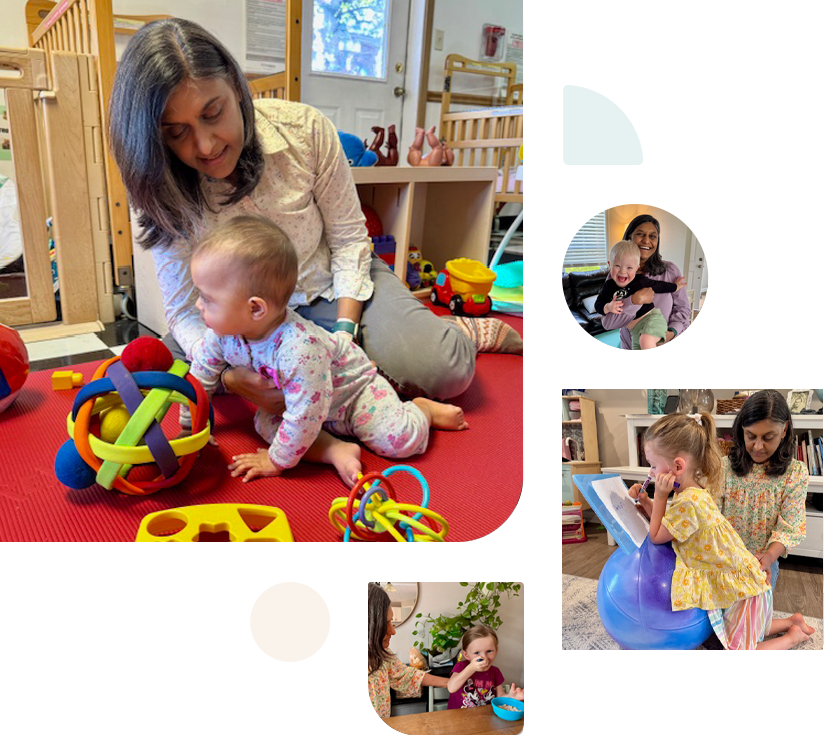
Sadera Braid, OT
With over 31 years as a licensed Occupational Therapist, I bring both deep expertise and genuine compassion to every family I work with. My background includes advanced training as a Feeding Therapist (Feed the Peds Alumni) and multiple clinical certifications supporting children across a wide range of developmental needs.
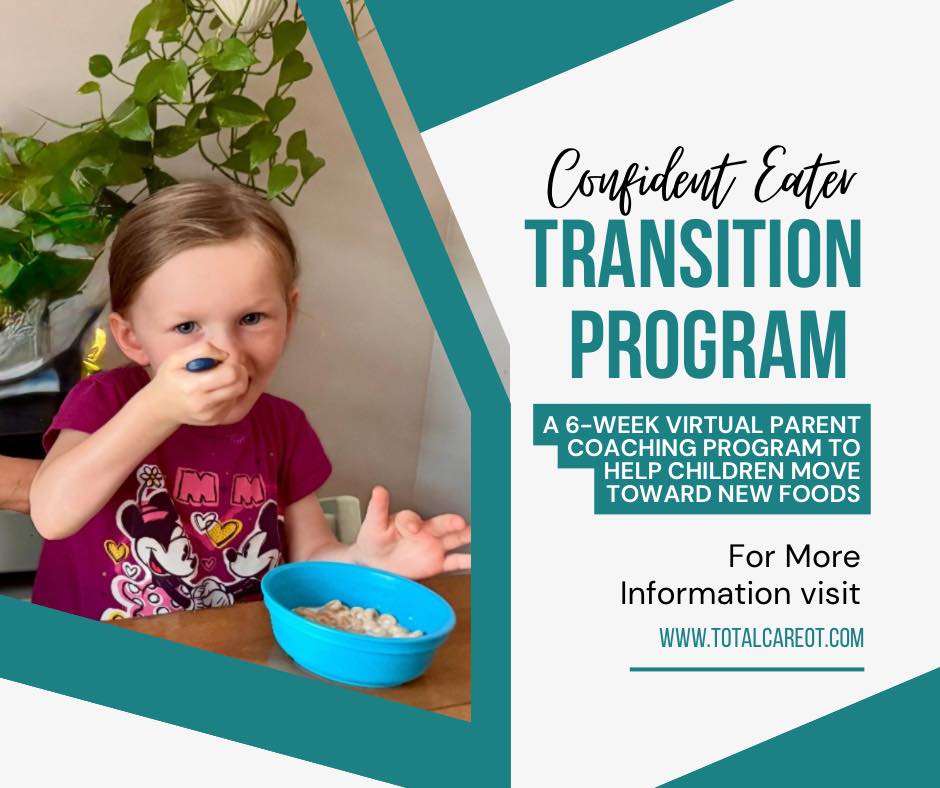
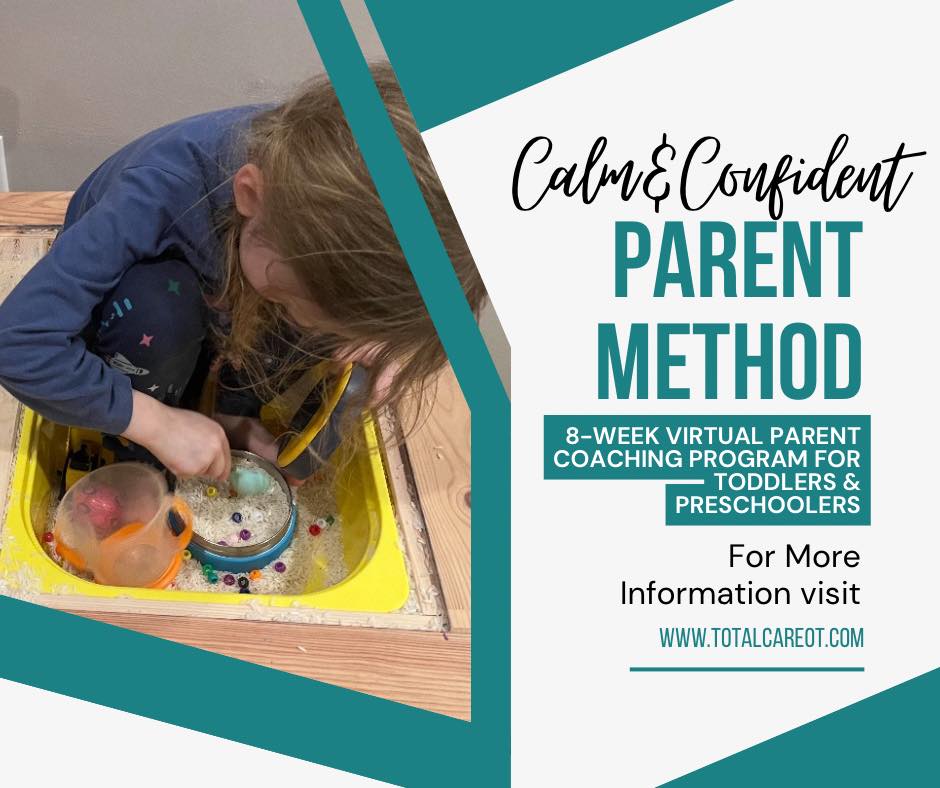
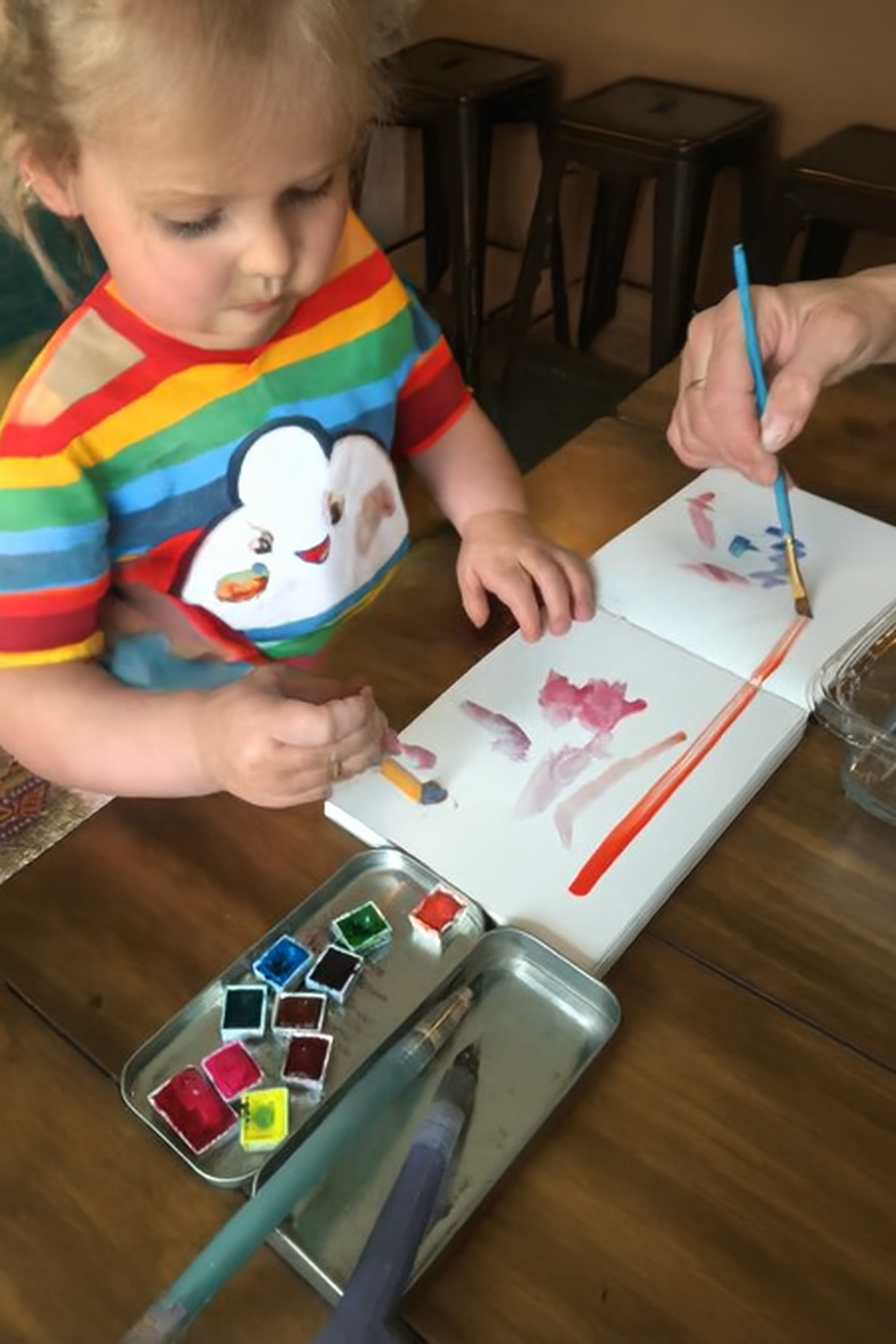
My passion is helping children — especially ages 0–5 — overcome feeding and sensory processing challenges so they can thrive in daily life. I use a family-centered, coaching-based approach to empower parents, caregivers, and teachers with strategies that make a lasting impact beyond the therapy session.
I founded Total Care OT to ensure families in Central Missouri have access to high-quality, personalized, accessible therapy — without the limitations found in many other programs. Every child's journey here is honored, supported, and celebrated.
✓Licensed OT
✓Feed the Peds Alumni
✓IMH-E® Infant Family Associate
✓Feeding Specialist
✓Sensory Processing
✓Early Childhood